
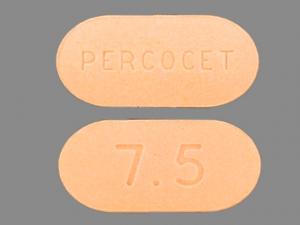
Percocet Overview
Percocet is a prescription pain medication containing oxycodone and acetaminophen. Oxycodone is an opioid analgesic that changes how the brain and nervous system perceive pain, while acetaminophen provides additional pain-relieving effects.
Because Percocet contains an opioid, it carries important risks, including misuse, addiction, physical dependence, overdose, and potentially life-threatening respiratory depression. It should be used only according to the directions provided by a qualified healthcare professional.
History of Percocet
Percocet was introduced as a combination of oxycodone and acetaminophen for the treatment of moderate-to-severe pain. Its opioid component provides analgesic effects, while acetaminophen contributes additional pain relief.
Over time, concerns surrounding opioid misuse and dependence resulted in increased regulatory controls and greater emphasis on safe prescribing and responsible use.
FDA Status of Percocet
Percocet is classified as a Schedule II controlled substance in the United States because of its oxycodone component and potential for abuse and dependence.
Patients should obtain prescription opioids only through legitimate healthcare and pharmacy channels. Unauthorized or counterfeit products can contain incorrect ingredients or potentially dangerous substances.
Uses of Percocet
Percocet may be prescribed for the management of moderate-to-severe pain when a healthcare professional determines that an opioid-containing medication is appropriate.
Treatment decisions should consider the severity and duration of pain, previous medication use, medical history, and potential risks.
Patients should follow their prescribed instructions and should not increase the dose or frequency without medical advice.
How Percocet Works
Percocet contains two active components:
- Oxycodone: Acts on opioid receptors in the central nervous system and changes the perception and response to pain.
- Acetaminophen: Provides additional analgesic and fever-reducing effects.
Because oxycodone is an opioid, inappropriate use can result in serious adverse effects, including respiratory depression, dependence, and overdose.
Safe Access to Percocet
Percocet requires appropriate medical oversight. Patients should discuss their symptoms with a qualified healthcare professional before beginning treatment.
When obtaining prescription medication, verify that the pharmacy is properly licensed and that the medication is dispensed against a valid prescription. Avoid products offered through unauthorized sellers because counterfeit medications can pose serious health risks.
Pill Identification
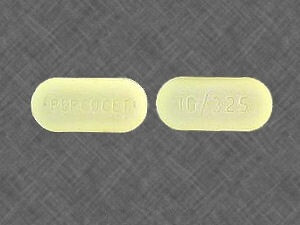
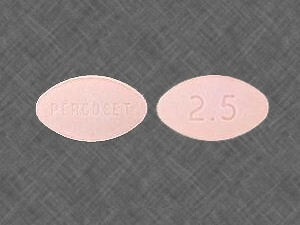
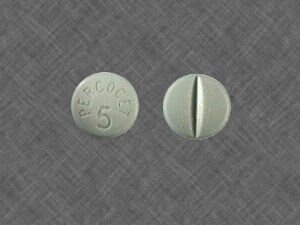
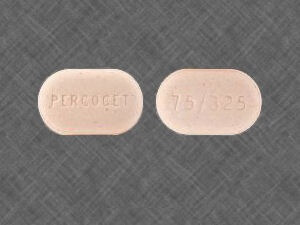
Percocet tablets can be available in different strengths and may have distinctive colors and identifying imprints.
However, appearance alone cannot reliably establish authenticity. Do not take a tablet from an unknown source simply because it resembles a genuine medication.
If a tablet or package looks unusual, contact a pharmacist before taking it. Counterfeit opioid tablets can contain dangerous substances, including illicitly manufactured fentanyl.
Percocet Dosage Guide
The appropriate dose of Percocet depends on the individual patient and the specific prescription.
Factors that may affect dosing include:
- Age
- Medical history
- Previous opioid exposure
- Severity of pain
- Other medications
- Liver and kidney function
- Individual treatment response
Patients should never adjust their dose independently. The prescribing healthcare professional should determine the appropriate strength and frequency.
Percocet Overdose Symptoms
An opioid overdose can cause:
- Extreme drowsiness
- Slow or shallow breathing
- Difficulty waking
- Loss of consciousness
- Pinpoint pupils
- Cold or clammy skin
Because Percocet also contains acetaminophen, excessive exposure can cause serious liver injury. Signs such as nausea, abdominal discomfort, or jaundice require prompt medical evaluation.
If an opioid overdose is suspected, seek emergency medical assistance immediately. Naloxone can reverse opioid overdose when administered appropriately.
Percocet Safety Guidelines
Use Percocet only as prescribed.
Important precautions include:
- Never share your medication.
- Never take more than prescribed.
- Avoid combining it with alcohol unless specifically instructed by a healthcare professional.
- Be cautious when using other medications that cause sedation.
- Store medication securely away from children and other people.
- Dispose of unused medication according to appropriate medication-disposal guidance.
- Never crush or alter a tablet unless your healthcare professional specifically instructs you to do so.
Percocet Warnings
Percocet can cause serious respiratory depression, particularly when taken incorrectly or combined with other central nervous system depressants.
Additional concerns include:
- Addiction and dependence
- Accidental overdose
- Liver injury from excessive acetaminophen exposure
- Dangerous drug interactions
- Severe allergic reactions
- Neonatal opioid withdrawal following opioid exposure during pregnancy
Keep medication securely stored and seek emergency help if severe breathing problems or loss of consciousness occur.
Active Ingredients in Percocet
Percocet contains:
- Oxycodone — an opioid analgesic.
- Acetaminophen — a non-opioid pain reliever and fever reducer.
Different formulations can contain different amounts of these ingredients, so patients should carefully check their prescription label and follow the directions provided by their healthcare professional.
Percocet Side Effects
Common Side Effects
Possible side effects include:
- Drowsiness
- Dizziness
- Nausea
- Constipation
- Headache
Serious Adverse Effects
More serious reactions may include:
- Respiratory depression
- Severe confusion
- Loss of consciousness
- Serious allergic reactions
- Liver injury
Seek immediate medical attention for severe breathing difficulties, inability to wake, seizures, or other emergency symptoms.
Drug Formulation
Percocet is an immediate-release combination medication containing oxycodone hydrochloride and acetaminophen. Various strengths and formulations may be available.
Patients should check the medication label carefully and take only the strength prescribed to them. Do not alter tablets unless specifically instructed by a healthcare professional.
Percocet Alternatives & Other Brands
Other oxycodone-containing products and alternative pain-management medications may be available, but they are not necessarily interchangeable with Percocet.
The appropriate alternative depends on the patient’s condition, other medications, medical history, and treatment goals. A healthcare professional should determine whether another medication is appropriate.
Percocet Manufacturers
Prescription medications are manufactured under regulatory requirements designed to ensure appropriate quality, strength, and consistency.
Patients should verify medication packaging and labeling and obtain prescription medications through legitimate pharmacy channels rather than unauthorized sellers.
Conclusion
Percocet can provide pain relief when appropriately prescribed, but its oxycodone component creates significant risks involving misuse, dependence, respiratory depression, and overdose. Acetaminophen also creates an additional risk of serious liver injury when excessive amounts are consumed.
Use Percocet only under appropriate medical supervision, follow the prescribed directions, avoid dangerous drug combinations, and obtain medication through legitimate pharmacy channels.
FAQs
What’s in Percocet?
Percocet combines oxycodone and acetaminophen.
How long does Percocet take to work?
The onset depends on the individual and formulation. Follow the timing instructions provided with your prescription.
What are common side effects?
Drowsiness, dizziness, nausea, constipation, and headache can occur.
Can Percocet cause dependence?
Yes. Because it contains oxycodone, Percocet can cause tolerance, physical dependence, and addiction, particularly when misused or taken for prolonged periods.
How can I obtain Percocet safely?
Use a valid prescription and obtain the medication through a properly licensed pharmacy. Avoid unauthorized sellers and unverified tablets, which can expose patients to counterfeit or contaminated medications.