


OxyContin Overview
OxyContin is an extended-release prescription medication containing oxycodone, an opioid analgesic. It is used for the management of severe, persistent pain when continuous, around-the-clock opioid treatment is appropriate and alternative treatment options are inadequate.
Because oxycodone is an opioid, OxyContin carries important risks, including misuse, addiction, physical dependence, overdose, and potentially fatal respiratory depression. It should only be used exactly as prescribed by a qualified healthcare professional.
OxyContin Mechanism of Action Explained
Opioid Receptor Binding
Oxycodone primarily produces its analgesic effects through activity at mu-opioid receptors in the central nervous system.
Activation of these receptors can:
- Reduce the perception of pain
- Alter the emotional response to pain
- Decrease certain pain-signaling pathways
- Produce sedation and other opioid effects
The same receptor activity can also contribute to potentially dangerous effects, particularly respiratory depression, sedation, tolerance, and dependence.
Cellular Effects
Opioid receptor activation can influence intracellular signaling and ion channels, ultimately reducing the release of neurotransmitters involved in pain transmission.
This decreases neuronal excitability and interferes with the transmission of pain signals through the nervous system.
Pharmaceutical Ingredients of OxyContin
The active ingredient in OxyContin is oxycodone hydrochloride.
The inactive ingredients can vary depending on the specific formulation and manufacturer. Patients with known allergies or sensitivities should review the official product information and discuss concerns with their pharmacist or healthcare professional.
Do not assume that different oxycodone products contain identical inactive ingredients.
Warnings and Precautions Associated With OxyContin
OxyContin has significant safety warnings because opioid medications can cause serious or life-threatening respiratory depression.
Tell your healthcare professional if you have a history of:
- Breathing problems or sleep apnea
- Liver or kidney problems
- Head injury
- Seizures
- Gallbladder or pancreatic problems
- Substance-use disorder
- Problems with urination
Combining oxycodone with alcohol, benzodiazepines, sedatives, or other central nervous system depressants can substantially increase the risk of profound sedation, respiratory depression, coma, and death.
Never share OxyContin with another person.
Safe Storage
Keep the medication in a secure location and follow the storage and disposal instructions supplied with your prescription.
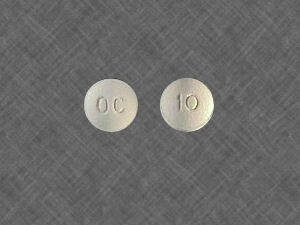
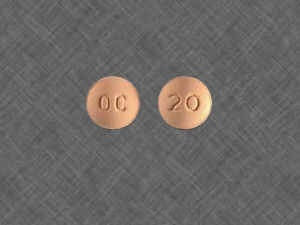
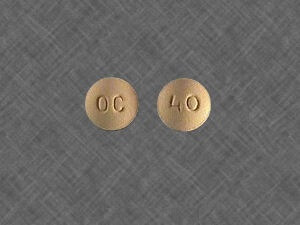
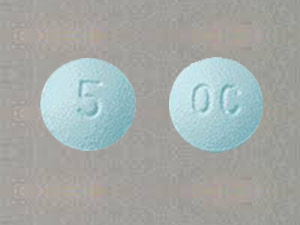
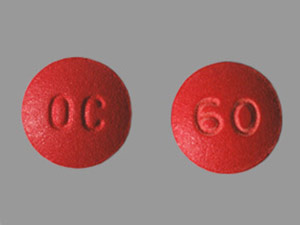
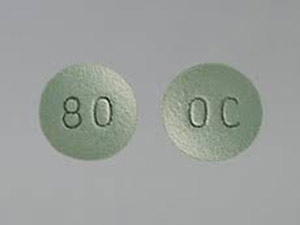
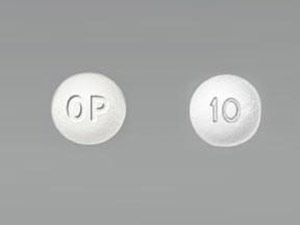
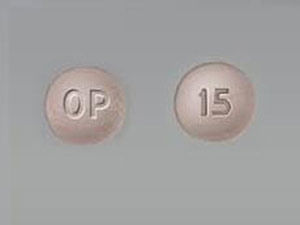
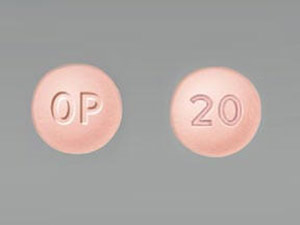
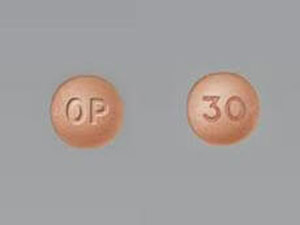
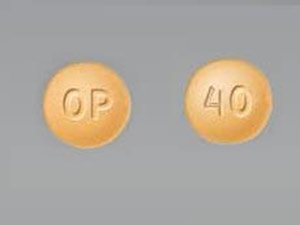
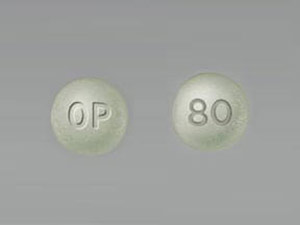
What Do OxyContin Tablets Look Like?
Tablet appearance, imprint, strength, and formulation can vary. Do not rely solely on appearance to determine whether a medication is genuine.
If you receive a medication that looks different from what your pharmacist normally provides, contact the pharmacist before taking it.
Potential Side Effects of OxyContin
Common opioid-related side effects can include:
- Constipation
- Nausea
- Vomiting
- Drowsiness
- Dizziness
- Headache
- Itching
Serious Side Effects
Seek emergency medical assistance if someone taking an opioid develops:
- Extremely slow or stopped breathing
- Severe difficulty waking
- Loss of consciousness
- Blue or gray lips or skin
- Severe allergic symptoms
Naloxone is an opioid antagonist that can reverse opioid overdose and may be recommended for individuals prescribed opioids who have an elevated overdose risk.
OxyContin Dosing Information
OxyContin dosing must be individualized by a healthcare professional. The appropriate dose depends on factors such as previous opioid exposure, severity and duration of pain, medical conditions, other medications, and treatment response.
Extended-release tablets must be taken exactly as prescribed. Do not crush, chew, dissolve, or otherwise alter an extended-release tablet, because doing so can result in rapid release of oxycodone and potentially cause a fatal overdose.
Never change the dose or frequency without medical advice.
OxyContin and Pregnancy
Pregnant patients should discuss opioid treatment with their healthcare professional. Prolonged opioid exposure during pregnancy can result in neonatal opioid withdrawal syndrome.
Breastfeeding considerations should also be discussed with a healthcare professional because oxycodone can pass into breast milk and may affect an infant.
OxyContin vs. Percocet
Both medications contain oxycodone, but their formulations and uses differ.
OxyContin is an extended-release oxycodone product designed for longer-lasting, around-the-clock pain management when appropriate.
Percocet contains oxycodone combined with acetaminophen and is generally formulated as an immediate-release product.
They are not interchangeable, and patients should use only the medication and dosage prescribed by their healthcare professional.
Frequently Asked Questions
Is OxyContin addictive?
Yes. OxyContin contains oxycodone, an opioid with potential for misuse, addiction, tolerance, and physical dependence. Risk varies between individuals and increases with inappropriate use.
Can OxyContin be taken with alcohol?
Combining OxyContin with alcohol can dangerously increase central nervous system depression and respiratory depression. Avoid this combination unless specifically directed otherwise by a healthcare professional.
How long does OxyContin work?
OxyContin is an extended-release formulation intended to provide prolonged opioid delivery. The duration can vary depending on the formulation and individual patient factors.
Can OxyContin be crushed or chewed?
No. Extended-release OxyContin tablets should be swallowed whole as directed. Crushing or chewing can release oxycodone too quickly and increase the risk of overdose.
What should I do if I miss a dose?
Follow the instructions provided with your prescription or contact your pharmacist or healthcare professional. Do not take extra medication to compensate for a missed dose unless specifically instructed.
Final Takeaway
OxyContin can be an appropriate medication for certain patients with severe, persistent pain, but it carries substantial opioid-related risks. Safe treatment requires individualized prescribing, careful monitoring, and strict adherence to the prescribed directions.
For questions about whether OxyContin is appropriate for your condition, speak with a qualified healthcare professional or pharmacist.